
Introduction
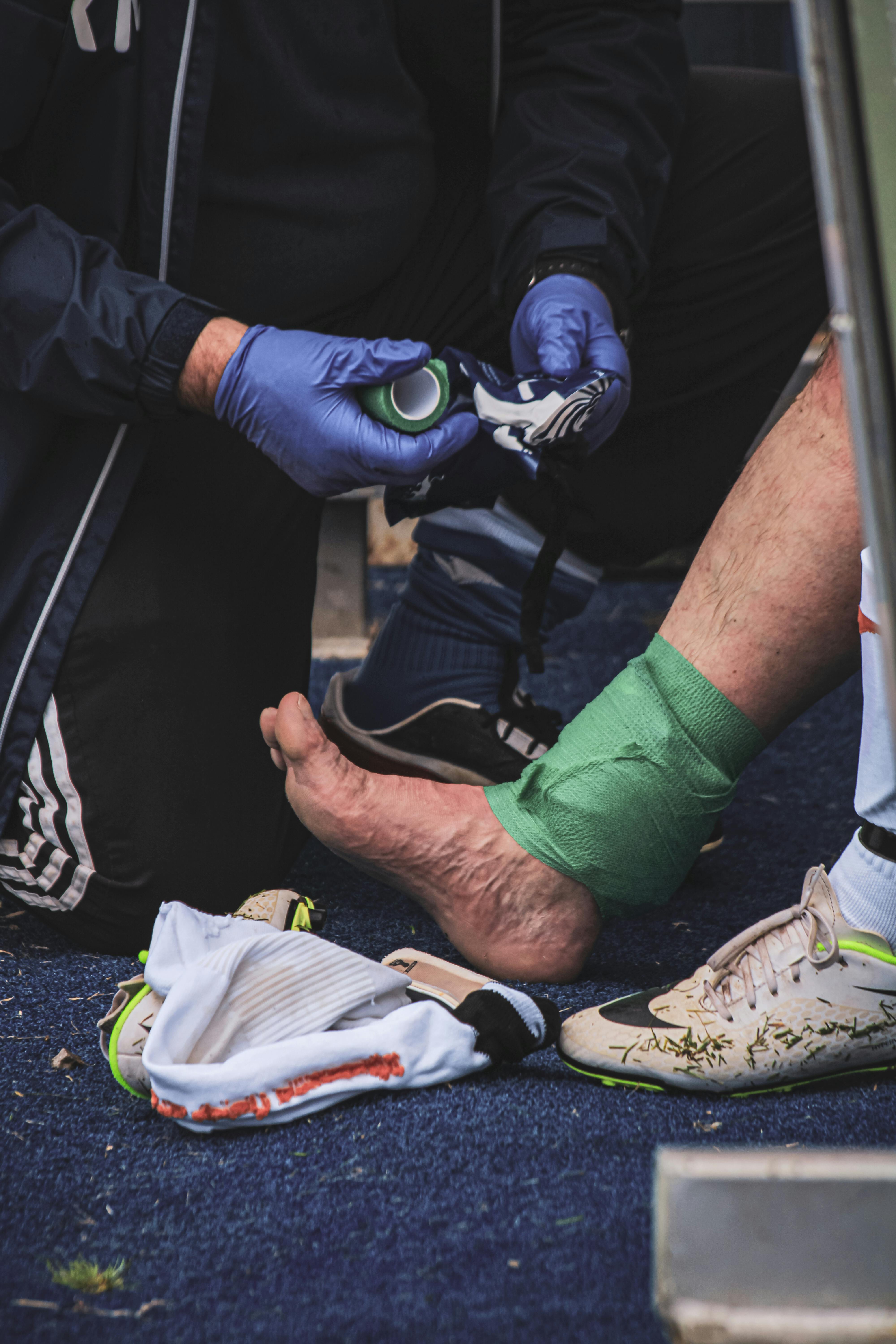
Sports injuries can affect athletes at every level, from occasional recreational participants to competitive professionals. Depending on the type and severity of an injury, treatment may involve rest, physical therapy, activity modification, medication, injections, or surgery.
Regenerative medicine is another area of medical research and clinical interest that some patients may ask about when exploring treatment options for musculoskeletal injuries. The term covers a range of different approaches, and the available evidence, potential benefits, risks, and regulatory status can vary considerably between treatments.
Because of these differences, regenerative medicine should be considered as part of an individualized medical discussion rather than as a guaranteed solution for sports injuries.
Understanding Regenerative Medicine
Regenerative medicine is a broad field that investigates biological and medical approaches related to the body’s tissues and healing processes.
Depending on the treatment, regenerative medicine may involve biological materials, injections, or other techniques being studied for musculoskeletal conditions. Examples discussed in research include platelet-rich plasma (PRP), certain cell-based therapies, and tissue-engineering approaches.
These treatments are not interchangeable. A treatment that has been studied for one injury or condition should not automatically be assumed to have the same effects for another.
Before considering any regenerative treatment, patients should discuss the specific procedure, its intended purpose, available evidence, potential risks, and regulatory status with a qualified healthcare professional.
Common Sports Injuries
Sports injuries can range from relatively minor problems to injuries requiring urgent medical evaluation. Common examples include:
- Sprains and strains: Injuries affecting ligaments, muscles, or tendons.
- Fractures: Breaks or cracks in bone that may require immobilization or other treatment.
- Dislocations: Injuries in which a joint moves out of its normal position.
- Tendon-related conditions: Problems involving tendons that may develop through repetitive loading or acute injury.
- Concussions: Traumatic brain injuries that require appropriate medical assessment and management.
The correct treatment depends on the specific diagnosis, severity of the injury, the athlete’s overall health, and other individual factors.
Traditional Treatment and Regenerative Approaches
Many sports injuries are managed with established approaches such as rest, rehabilitation, physical therapy, gradual return to activity, medication when appropriate, or surgery when clinically indicated.
Some patients also ask about regenerative medicine as part of their treatment discussion. Whether a regenerative approach should be considered depends on the particular injury and the evidence available for the specific treatment.
It is important not to assume that regenerative medicine is automatically superior to established treatment options. A healthcare professional can help explain the alternatives and determine which approach is appropriate based on the injury and the patient’s circumstances.
Platelet-Rich Plasma (PRP)
PRP is prepared from a patient’s own blood. A blood sample is processed to concentrate platelets before the resulting preparation is used in a medical procedure.
PRP has been studied for a number of musculoskeletal and sports-related conditions. Research findings vary depending on the condition, PRP preparation method, treatment protocol, and other factors.
Patients considering PRP should discuss the evidence for the specific condition being treated, as well as potential benefits, limitations, risks, and expected outcomes.
Cell-Based Therapies
Cell-based therapies are another area of regenerative-medicine research. Different cell-based treatments can involve different sources, processing methods, and regulatory requirements.
Because these therapies are not all the same, patients should ask specifically what treatment is being proposed, what it is intended to do, what evidence supports its use for the particular injury, and what its regulatory status is.
The FDA has warned consumers about regenerative-medicine products, including certain stem-cell and cell-based products, that are marketed for conditions without appropriate FDA approval. The FDA also states that regenerative-medicine products have not been approved for orthopedic conditions such as tendonitis, tennis elbow, back pain, knee pain, or shoulder pain.
Other Regenerative Approaches
Regenerative medicine is a broad field, and research continues into approaches such as tissue engineering and other biological technologies.
Some of these technologies remain primarily areas of research rather than established routine treatments for sports injuries. The stage of development, evidence, and regulatory status can differ significantly between technologies.
Patients should therefore avoid assuming that an emerging technology is proven simply because it is being studied or discussed in medical research.
Potential Benefits and Limitations
The potential benefits of regenerative medicine depend on the specific treatment and the condition being studied.
Research may investigate outcomes such as pain, mobility, function, or recovery, but evidence can vary between treatments and injuries. Some studies may show encouraging findings, while others may produce mixed or inconclusive results.
For this reason, claims such as “faster healing,” “complete tissue repair,” “guaranteed pain relief,” or “return to sports sooner” should not be treated as universal outcomes.
The FTC states that health-related advertising claims must be truthful and not misleading and should be supported by competent and reliable scientific evidence appropriate to the claim being made.
Considering Regenerative Medicine for a Sports Injury
Anyone considering regenerative medicine should begin with an appropriate medical evaluation.
A healthcare professional may consider:
- The type and location of the injury
- How the injury occurred
- The duration and severity of symptoms
- Previous treatment and rehabilitation
- Medical history
- Physical examination findings
- Imaging or other diagnostic information when appropriate
- The patient’s activity level and treatment goals
This information can help determine whether additional treatment or evaluation may be appropriate.
Regenerative medicine should not be viewed as a replacement for emergency care, appropriate rehabilitation, or surgery when surgery is medically indicated.
Understanding the Research
Research is an important part of evaluating any medical treatment.
Patients researching regenerative medicine should look for information from reputable medical institutions, peer-reviewed scientific literature, and appropriate regulatory agencies. It is also important to distinguish between early-stage research and evidence that supports routine clinical use.
A study involving one treatment, one preparation method, or one type of injury does not necessarily establish that the same result will occur with another treatment or another patient population.
Patients should also be cautious about relying on testimonials or individual success stories as evidence that a treatment will work for them. Individual experiences cannot establish the effectiveness of a medical treatment for the broader population.
Questions to Ask a Healthcare Professional
Before choosing a regenerative treatment, patients may want to ask:
- What is the specific diagnosis?
- What treatment is being recommended?
- Why is this treatment being considered?
- What evidence supports this treatment for my particular injury?
- What are the potential benefits and risks?
- What other treatment options are available?
- Is rehabilitation or another established treatment appropriate?
- What outcomes are realistic?
- How will progress be monitored?
- What should happen if the expected improvement does not occur?
These questions can help patients understand their options and make more informed decisions.
Cost and Insurance Considerations
The cost of regenerative treatments can vary according to the procedure, provider, location, and other factors.
Insurance coverage also varies. Patients should contact their insurance provider and ask the healthcare practice about expected out-of-pocket costs before beginning treatment.
Understanding costs in advance can help patients make decisions without relying on assumptions about coverage or long-term benefits.
The Future of Regenerative Medicine for Sports Injuries
Research into regenerative medicine continues to develop. Scientists and clinicians are investigating new approaches related to tissue engineering, cell-based therapies, biological materials, and other technologies.
Some emerging approaches may eventually contribute to new treatment options, but research findings should not be confused with established clinical effectiveness.
As new evidence becomes available, the role of regenerative medicine may continue to evolve. Continued research and well-designed clinical studies are important for understanding which treatments are safe, effective, and appropriate for particular conditions.
Conclusion
Regenerative medicine is an evolving area of healthcare that may be discussed when evaluating certain sports injuries and musculoskeletal conditions. However, the term includes many different treatments, and the evidence supporting each approach can vary.
Patients should not assume that a regenerative treatment will automatically speed recovery, eliminate pain, restore damaged tissue, or prevent surgery. The appropriate treatment depends on the specific injury, the available evidence, and the individual’s medical circumstances.
A professional medical evaluation can help patients understand their diagnosis, review available treatment options, and establish realistic expectations. For athletes considering regenerative medicine, informed decision-making and evidence-based care should remain central to the treatment process.